
The service in depth
Behind every project that institutions approve quickly there is a design that stands on its own: a network modeled with real data, pressures within standard, traceable calculation reports, and plans a reviewer can verify without guessing. That is RAM's working standard in hydraulic design and modeling.
We model in EPANET under steady-state and extended-period conditions, with present and future demand scenarios, and design in Civil 3D over our own GNSS surveys. The scope covers distribution networks, pipelines, storage tanks, pumping systems, pressure zoning with reducing valves, and storm drainage systems with their outfalls — all processed before the CFIA under professional responsibility.
Our flagship modeling credential is municipal in scale: complete EPANET models of the Esparza and San Mateo aqueducts, with demand scenarios projected to 2043, developed within the optimization study of Esparza's water supply system. That same analytical capacity is applied to every project, from a condominium to an ASADA.
The problem
A poor hydraulic design means institutional rejections, construction overruns and systems without pressure. Institutions approve quickly what is well modeled and well presented.
How we do it
- Survey and field data
- Modeling and design alternatives
- Construction drawings and calculations
- Permitting and review support
Proven experience
Complete EPANET models of the Esparza and San Mateo aqueducts (with 2043 demand scenarios), the GranSol network for 62 homes, and approved storm design at Los Olivos.
Projects behind this service
Esparza aqueduct model
Complete modeling of two municipal aqueducts with 20-year demand projections: the technical core of the Esparza supply optimization study, and the firm's strongest modeling credential.
GranSol network
Design and construction of a complete affordable-housing subdivision network, with hydrant test and pipe-wall quality report (ICO-2036-2025). Received by AyA.
View project →El Salto pressure valves
Pressure zoning and control with two reducing valves on the 1,615 m pipeline — the kind of design detail that decides whether a system serves or struggles.
View project →Los Olivos storm design & ADE San Mateo
Approved storm drainage design for Los Olivos and the water demand calculation for the Desamparados de San Mateo development association (2023): the hydraulic specialty at the service of other projects and communities.
View project →Technologies & methods: EPANET (static & EPS) · Civil 3D · QGIS
Applicable Costa Rican regulations
- Normas de diseño de AyA para sistemas de agua potable
- Manual Técnico de Dotaciones de Agua del AyA
- Código de Instalaciones Hidráulicas y Sanitarias (CFIA)
- Reglamento de Construcciones del INVU
Regulatory references are informational and current as of July 2026. Each project and file requires its own technical assessment. Technical lead: Eng. Ariel Fernando Araya Ly · CFIA IC-34246.
Official texts: AyA · Dirección de Aguas · MINAE · CFIA
Frequently asked questions
Do you design for other engineers or developers?
Yes — we work as the hydraulic specialty consultant for developers, builders and professionals.
Do you hand over the EPANET model?
Yes: the model, calculation reports, and plans are deliverables. A well-built model serves the operator or developer for operations and decisions, not just for permit approval.
Do you do design only, without construction?
Yes. We work as design consultants for developers, contractors, and fellow engineers who need the hydraulic specialty — and if you later need the works built, we do that too.
Good design pays for itself: fewer correction rounds, less rework, and a system running at the right pressure from day one. Let's talk about your network before it becomes a review problem.
Related projects
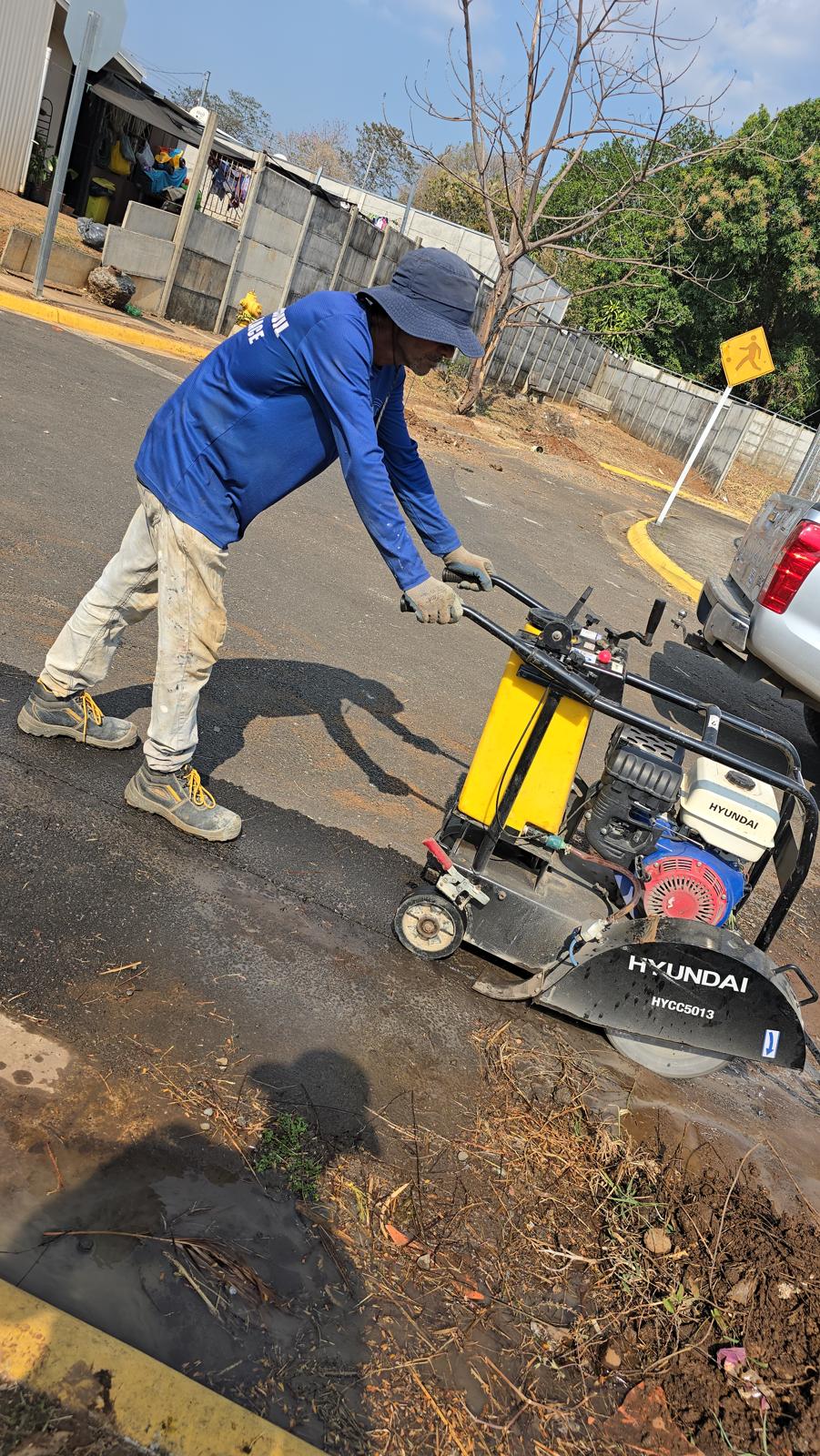 1,347 m PVC network 150 mm
Gran Sol I — Esparza
The streets had been received by the Municipality, but the potable water, sanitary sewer and storm-drainage works had not been rec…
View full case →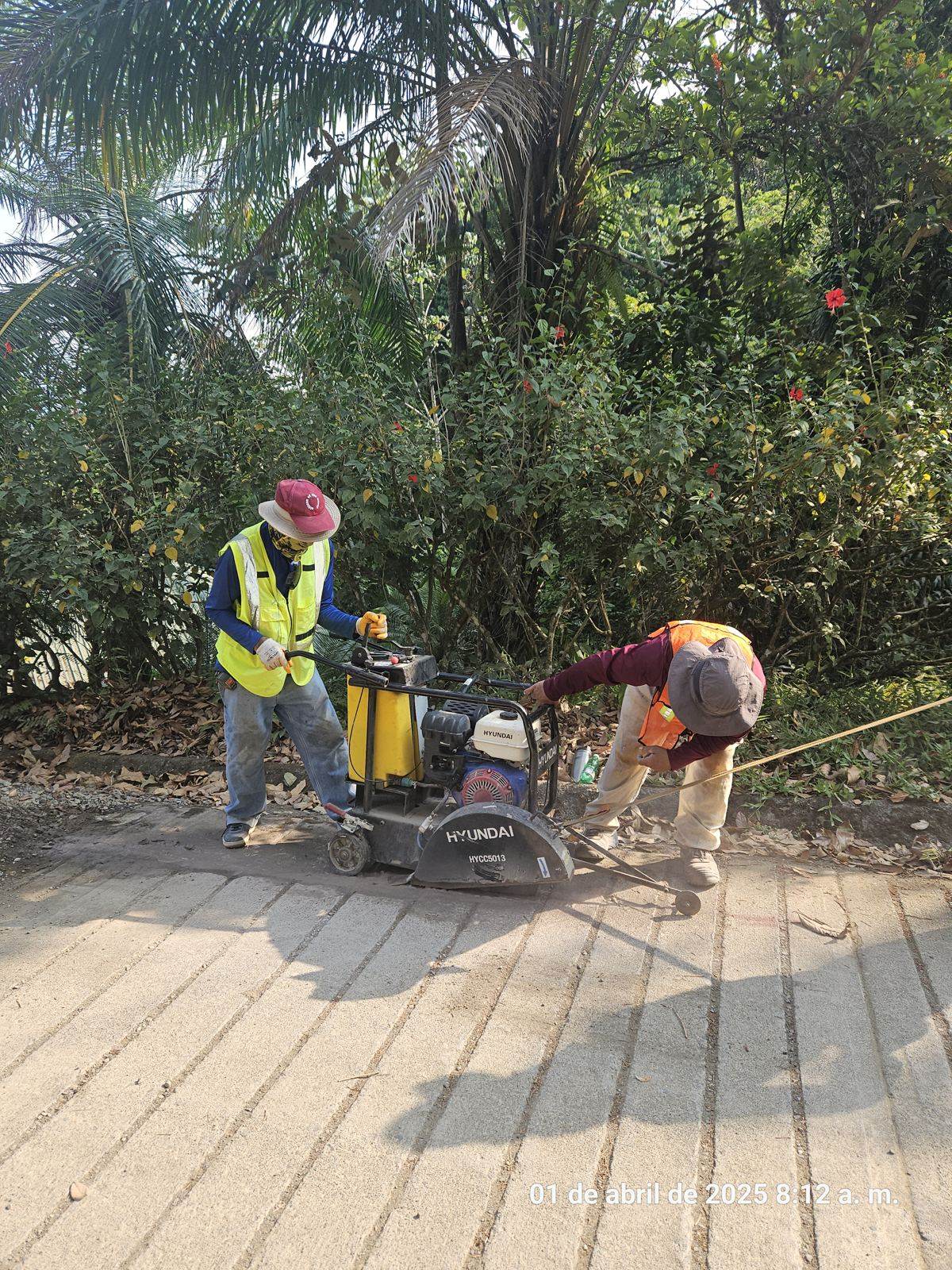 1,615 m PVC pipeline 150 mm
El Salto — Quepos
The development was historically supplied by a private well and multiple expansions built over the years. Regulatory changes force…
View full case →