Article 38 public-private agreements
Water availability denied for lack of infrastructure? Article 38 lets the developer fund the missing off-site works, obtain a positive availability letter and recover part of the investment within 5 years. We work under the framework reformed in 2025.
The service in depth
Article 38 of Costa Rica's Urban Planning Law (subsection c) is the legal mechanism that lets a developer — or a community — finance the public water infrastructure a zone lacks, hand it over to the operator, obtain the water availability letter as a result, and recover part of the investment as third parties connect to those works within the following five years. It is the institutional way out of availability denials caused by missing infrastructure.
AyA comprehensively reformed this mechanism in 2025 through Regulation 2025-0045, which expressly repealed the previous manuals. The practical consequence is immediate: files assembled under the old framework are dead on arrival. The reform classifies initiatives as low or high complexity — with different requirements, approval instances, and timelines — and defines which causes of denial qualify for the mechanism and which do not.
RAM works this figure with its own methodology aligned to the 2025 framework and the mechanism's consolidated legal backing (Attorney General opinion C-218-2008, Constitutional Court ruling 00262-2009, and Comptroller criteria). The process always starts with an eligibility diagnosis: verifying whether the cause of your denial qualifies before you invest in preliminary designs. Our hands-on experience includes structuring the Hermosa Palms agreement in Jacó and cases under Directive 061 on consolidated communities.
The full route has four phases. Eligibility: analysis of the denial's cause and of the primary works capable of resolving it. Classification and preliminary design: low or high complexity per the regulation, with hydraulic simulation of the proposed works — this is also where the investment and its recovery scheme are sized. File and agreement: technical-legal structuring under the current procedure and management before the operator's instances, with phase-by-phase deadline control. Execution and closure: construction under AyA standards, formal reception by the operator, and the project's positive availability letter.
Why RAM? Because the mechanism demands exactly the combination we are: hydraulic engineering to design and simulate the primary works, field experience to direct them to AyA standards, and rigorous case management to carry a complex file without letting it stall in review. Few players in the country combine all three with documented cases in each.
The problem
When AyA or an ASADA issues a NEGATIVE water availability letter due to lacking infrastructure or capacity, the project is blocked: no water, no permits. Article 38(c) of the Urban Planning Law offers the way out: the developer funds the primary works located outside the property, the public operator receives and operates them, the project obtains its positive availability — and future developments connecting to those works within 5 years reimburse part of the investment. Important: AyA integrally reformed this figure in 2025 (Regulation 2025-0045); files prepared under the old, expressly repealed manuals are dead on arrival.
How we do it
- Eligibility diagnosis (does your case qualify?)
- Low/high complexity classification and roadmap
- Technical-legal file and filing before the operator
- Approved agreement, works built and received, positive availability
Proven experience
Proprietary methodology aligned with the 2025 framework (Regulation 2025-0045 and the current institutional procedure), on solid legal ground: Attorney General opinion C-218-2008, Constitutional Court ruling 00262-2009 and Comptroller criteria. It applies to urban, commercial and tourism developments, and also to consolidated communities and ASADAS needing works to grow.
Projects behind this service
Hermosa Palms agreement
Structuring of the full Article 38 agreement proposal before AyA for the Hermosa Palms development: the case that consolidated our methodology, since updated to the 2025 regulatory framework.
Directive 061 cases
Claims and filings under Directive 061 on consolidated communities — Article 38's sister mechanism for existing neighborhoods lacking formal infrastructure.
In-house technical guide
We maintain our own Article 38 methodological guide, current to the regulation in force — low/high complexity, qualifying causes, phases, and deadlines — which structures every file we submit.
Technologies & methods: QGIS · EPANET · Proprietary 2025-framework methodology
Applicable Costa Rican regulations
- Artículo 38 de la Ley de Planificación Urbana (N.º 4240)
- Reglamento para la aplicación del Art. 38 en obras de acueducto y alcantarillado (AyA, 2007)
- Directriz 061-MP-MIVAH-S-MINAE-MAG (predios consolidados, La Gaceta 2019)
- Manual de procedimientos de inversión privada en obras de interés público (Acuerdo AyA 2009-190)
Regulatory references are informational and current as of July 2026. Each project and file requires its own technical assessment. Technical lead: Eng. Ariel Fernando Araya Ly · CFIA IC-34246.
Official texts: AyA · Dirección de Aguas · MINAE · CFIA
Frequently asked questions
Does my project qualify?
It depends on the cause of the denial: some causes enable the mechanism and others do not. The eligibility diagnosis determines it with certainty before you invest in the process.
Do I recover the investment?
The law provides that future projects connecting to the works within 5 years pay you a proportional amount. The agreement defines the scheme.
Why does the 2025 reform matter?
Because it expressly repealed the previous manuals. Files built on the old framework get rejected; working under the current regulation is the difference between advancing and losing months.
Does Article 38 help if my denial cites water capacity (not missing pipe)?
It depends on the exact cause and whether primary works can resolve it (for example, production or storage improvements for the operator). That is precisely what the eligibility diagnosis determines — some causes qualify for the mechanism and some do not.
What's the difference between low and high complexity?
The 2025 regulation classifies initiatives by the type and scale of the works; the file requirements, approval instances within AyA, and timelines change accordingly. Misclassifying the initiative up front is a typical cause of rejection.
Can an ASADA use this mechanism?
Yes. Consolidated communities and ASADAS can rely on it with the public operator receiving the infrastructure — one of the highest-potential applications we see in the country.
An infrastructure-based denial is not the end of your project — it is the beginning of a well-built case file. Under the 2025 framework, methodology is the difference between moving forward and losing a year. Let's start with the eligibility diagnosis.
Related projects
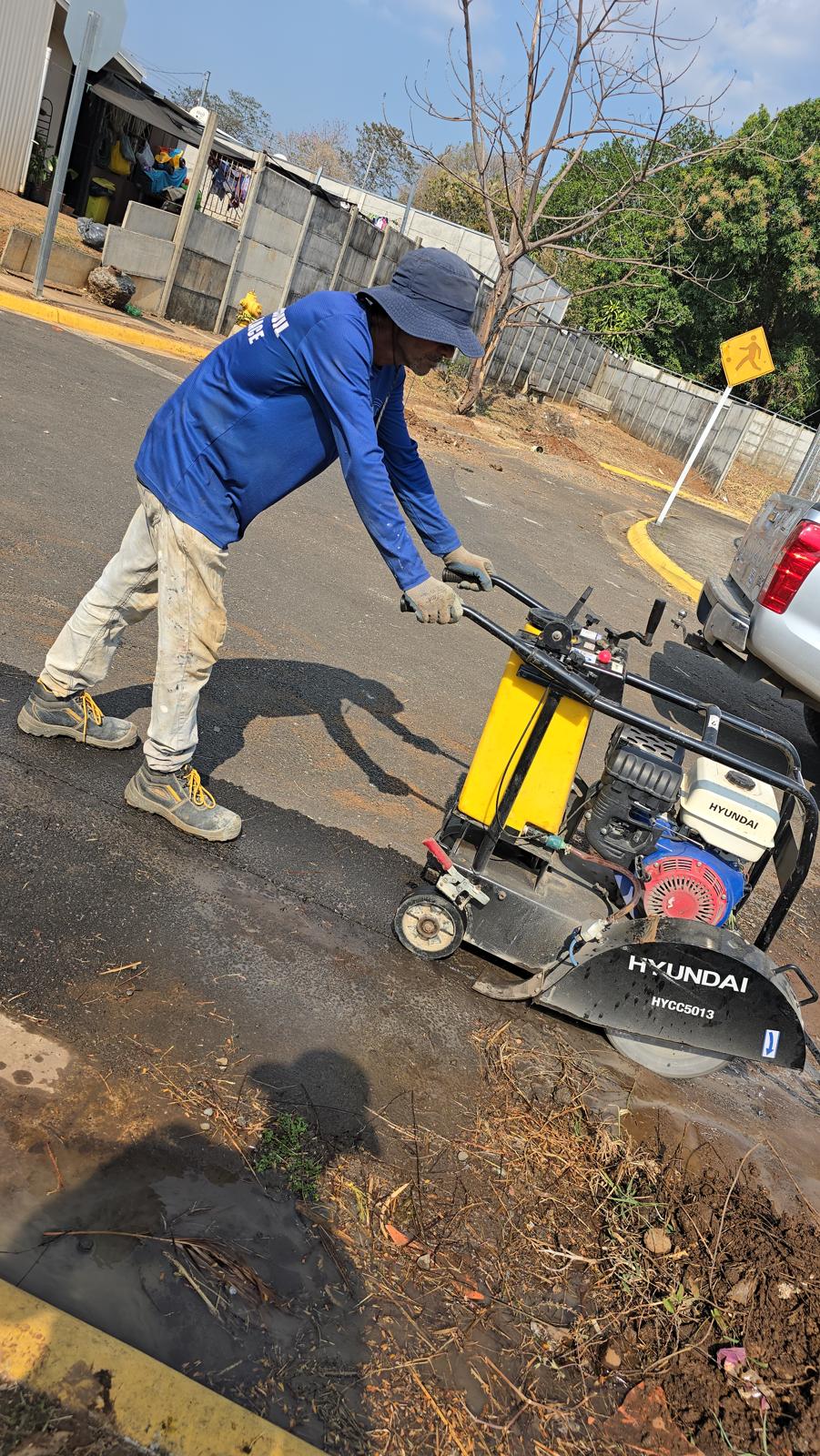 1,347 m PVC network 150 mm
Gran Sol I — Esparza
The streets had been received by the Municipality, but the potable water, sanitary sewer and storm-drainage works had not been rec…
View full case →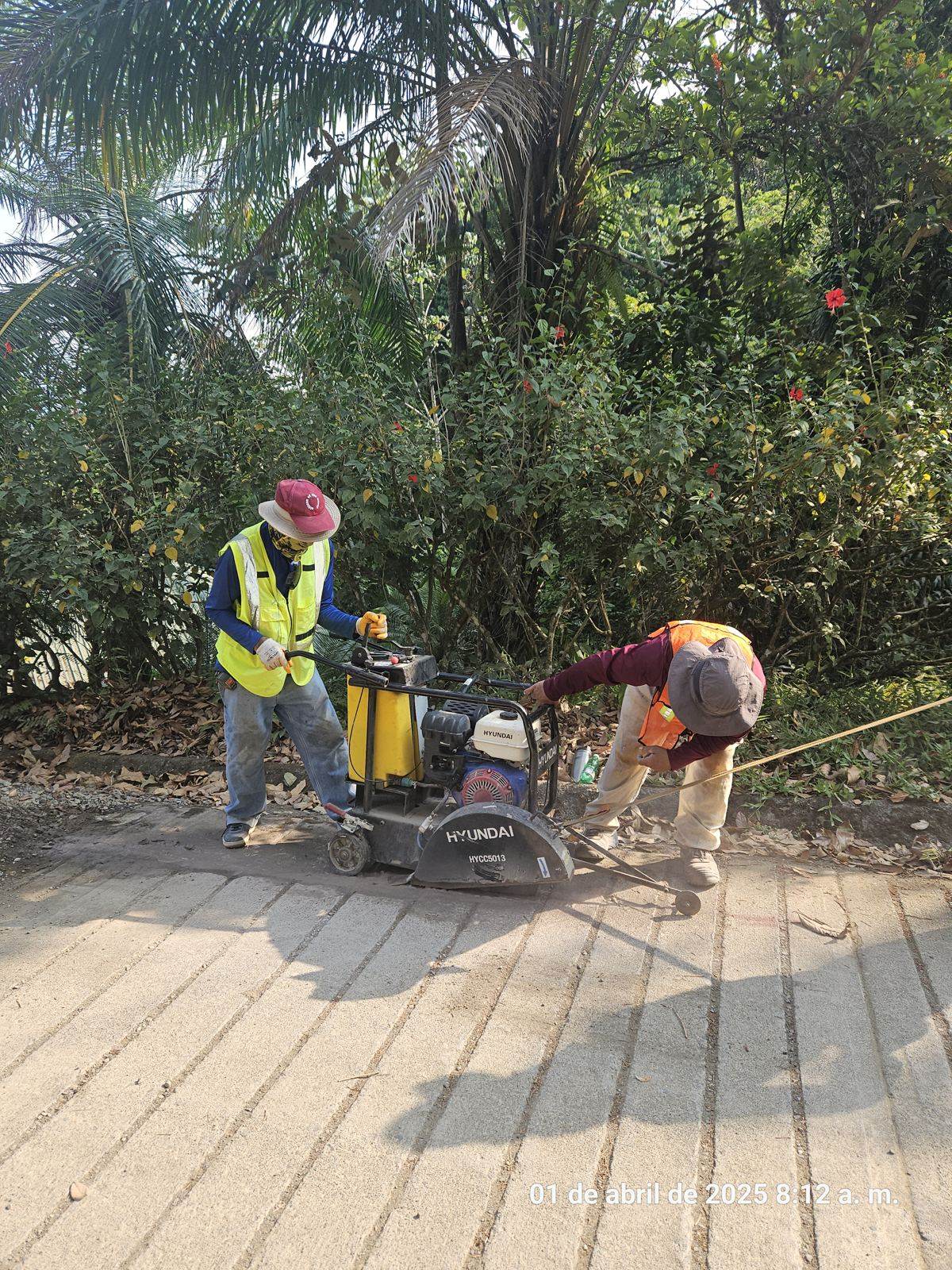 1,615 m PVC pipeline 150 mm
El Salto — Quepos
The development was historically supplied by a private well and multiple expansions built over the years. Regulatory changes force…
View full case →