The service in depth
ASADAS operate Costa Rica's community aqueducts under delegation from AyA — and that delegation carries technical obligations: capacity studies before granting new availability letters, water balances, maintenance plans, non-revenue water control, and operational reporting. An ASADA without current technical backing cannot grow, risks sanctions, and personally exposes its board.
A comprehensive technical study answers the questions every board needs to answer with numbers rather than intuition: how much water do our sources actually produce in the dry season? What is our real demand and how much do we lose to leaks? Can we grant the availability letters being requested? What investments does the system need over the next 25 years?
Our methodology combines field work (spring gauging, well production tests, tank and network inspection), GNSS-georeferenced surveying, EPANET hydraulic modeling, and the official framework: AyA's Technical Standard, the AyA/UNDP water balance methodology, and the technical studies procedure GSD-UEN-GAR-2024-01830. The deliverable is a report signed by a CFIA-registered engineer that the ASADA can confidently submit to AyA.
A typical study unfolds in four stages. First, the full field inspection: sources, intakes, tanks, pipe crossings, valves, and metering, all photo-documented. Second, measurement: dry-season spring gauging (the number that rules), well production tests, and analysis of production and billing records to compute non-revenue water. Third, analysis: the supply-demand water balance, population projection with the canton's INEC data, network modeling, and the system's real capacity for new connections. Fourth, the signed report and a prioritized investment plan — which work to do first, and why.
The support doesn't end with the report: we back the board in submitting to AyA, answering observations, and gradually implementing the plan. For recurring obligations there is the monthly operational-control service with semi-annual Ministry of Health reporting, which turns sanitary compliance into a routine instead of an emergency.
More than fifteen ASADAS across the country — from Guanacaste to Limón — have entrusted studies, balances, and diagnostics to RAM. We also publish a free online water capacity diagnostic calculator based on AyA's standards, so any ASADA can run its first assessment in minutes.
The problem
In most coastal and rural areas, water is managed by an ASADA — a community aqueduct association. AyA requires ASADAS to have current technical studies before granting new availability letters. If the local ASADA lacks them, your project waits. We solve that bottleneck for both sides.
How we do it
- Full field inspection of the system
- Georeferenced survey and modeling
- Technical report signed by a CFIA engineer
- Support before AyA and a prioritized improvement plan
Proven experience
Studies and balances delivered or in progress for 15+ ASADAS across the country: Juanilama, Tárcoles (9.5 km system), Calle Damas, Barón, Cabuya, El Bosque (Limón), Alto del Monte and more.
Projects behind this service
ASADA Juanilama
Full technical study: water capacity, spring gauging, demand projection, and a 25-year improvement plan, including the Villamar de los Campos easement. A reference in our certified track record.
View project →ASADA Tárcoles
Comprehensive technical study for a 9.5-kilometer coastal system, one of the largest in our ASADA portfolio.
ASADA Calle Damas
Technical study with an exhaustive, photo-documented field inspection: sources, tanks, elevated crossings, and the distribution network.
View project →ASADA El Barón
Water balance and technical support built on a relationship dating back to 2022 — the kind of continuous backing an ASADA needs to sustain growth.
National ASADA portfolio
Cabuya, Calema, Barrio El Bosque (Limón), Alto del Monte (Atenas), Tronadora, Cebadilla, San Luis (Grecia), Guarumal, Tamarindo, Las Gemelas, and San Miguel — across studies, balances, diagnostics, and active proposals.
Technologies & methods: EPANET · QGIS · Flow gauging & pumping tests · AyA/PNUD water balance
Applicable Costa Rican regulations
- Reglamento de ASADAS (Decreto 42582-S-MINAE, 2020)
- Procedimiento de Estudios Técnicos para ASADAS (GSD-UEN-GAR-2024-01830)
- Reglamento de Normas Técnicas y Procedimientos para el Mantenimiento Preventivo de los Sistemas de Abastecimiento de Agua (AyA)
- Herramienta GIRA (Gestión Integral del Riesgo para ASADAS, AyA 2024)
- Guía de medición y reducción de Agua No Contabilizada (ANC)
Regulatory references are informational and current as of July 2026. Each project and file requires its own technical assessment. Technical lead: Eng. Ariel Fernando Araya Ly · CFIA IC-34246.
Official texts: AyA · Dirección de Aguas · MINAE · CFIA
Frequently asked questions
The ASADA says it cannot give me water. What now?
Often the real reason is a missing study or infrastructure. We diagnose whether a technical study, a line extension or an agreement can unlock it.
Our board changed and we don't know which studies are current. Where do we start?
With a document and field diagnosis: we review what studies exist, what AyA requires today, and what your system lacks. From there comes a prioritized plan — you rarely have to do everything at once.
What is the Ministry of Health operational control?
Water operators must keep monthly operational control of the system and report it semi-annually to the Ministry of Health. We offer that recurring service: logbook, sampling, the semi-annual report, and responses to sanitary orders.
Can you help us decide whether to grant a large availability (condominium, subdivision)?
Yes — that is exactly where the study matters most: it determines whether the source supports the new demand without compromising current users, and it backs the board's decision before AyA and the community.
An ASADA with current studies decides with peace of mind: it knows how much water it has, how much it can commit, and which works come next. Start today with our free water capacity calculator, or write to us for a formal diagnosis.
Related projects
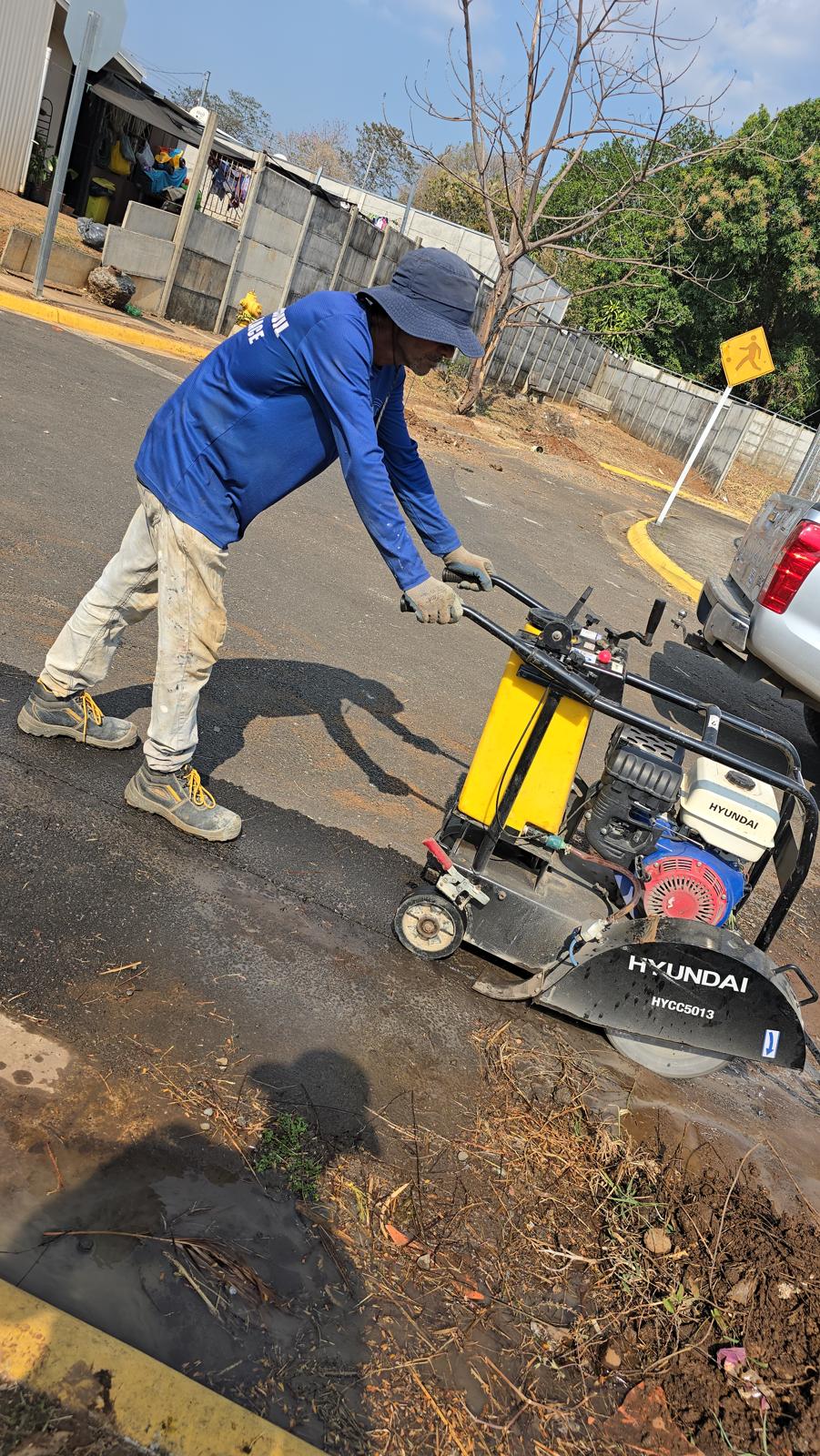 1,347 m PVC network 150 mm
Gran Sol I — Esparza
The streets had been received by the Municipality, but the potable water, sanitary sewer and storm-drainage works had not been rec…
View full case →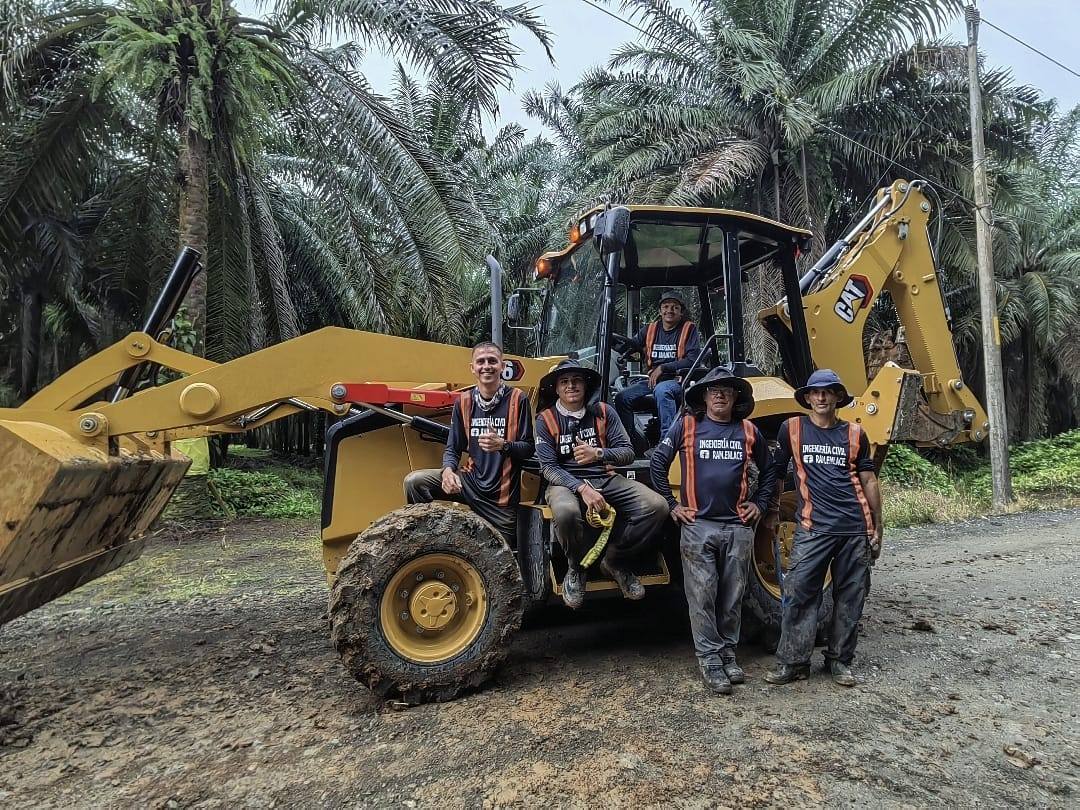 1,827 m PVC pipeline 100 mm
ASOPROQUEPOS — Quepos
The project depended on a self-supply source that was no longer viable. With water capacity granted by AyA, public infrastructure …
View full case →